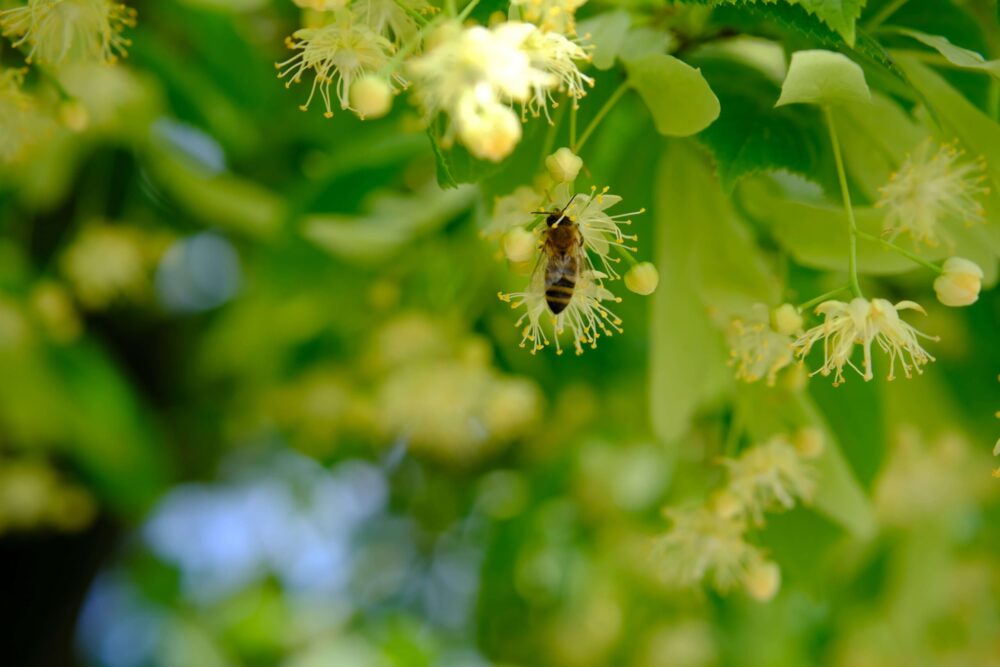
Each summer, from late June into July, linden trees (also called lime trees in the UK, and Tilia platyphyllos in Latin) unfurl clouds of pale-yellow, star-like blossoms. Their fragrance is honey-sweet and calming, attracting bees in droves and inspiring generations of poets, healers, and herbalists. But beyond their beauty, linden flowers have long been treasured for their therapeutic value. Today we’ll explore their main constituents, traditional and modern uses, and how to harvest them responsibly.
A Brief History of Linden in Herbal Medicine
Linden trees have been part of European folk medicine for centuries. In medieval herbals, the flowers were praised for “soothing the heart and spirits.” In German and Slavic traditions, linden groves were sacred gathering places, associated with protection and peace. The flowers were brewed into infusions for fevers, anxiety, headaches, and indigestion, while the inner bark was sometimes used as a poultice.
Modern phytotherapy continues this tradition, with research confirming many of the calming, antioxidant, and antibacterial qualities once observed empirically by village healers.
The Healing Constituents of Linden Blossoms
Linden’s therapeutic effects are owed to a rich profile of bioactive compounds:
Flavonoids & Tannins – Nature’s Antioxidants
Flavonoids such as quercetin and kaempferol, alongside tannins, help neutralize free radicals that cause oxidative stress. By reducing cellular damage, these antioxidants support heart and brain health and may lower long-term risk of chronic conditions like cancer and neurodegenerative disease.
Terpenes & Essential Oils – Calming Aromatics
Linden blossoms contain volatile oils, notably eugenol, citral, and limonene. These compounds give the flowers their sweet fragrance and also exert mild sedative and anti-spasmodic effects. They act on the nervous system to encourage relaxation, reduce tension headaches, and support restful sleep.
Vitamins A & C – Immune & Skin Support
Although not present in huge quantities, linden flowers carry some vitamin A (for vision, skin repair, and immunity) and vitamin C (for collagen formation and resistance to infections). These nutrients contribute to linden’s traditional use during colds and flu.
Phenolic Compounds – Antibacterial & Anti-inflammatory
Phenolic acids in linden possess antibacterial properties, helping to fight oral bacteria and promote gum health. They also contribute to the soothing effect of linden teas on inflamed tissues, whether in the throat, stomach, or digestive tract.
Top Five Benefits of Linden Tea
Drawing from both folk knowledge and modern studies, here are five well-established benefits of linden blossoms:
Heart & Brain Support
By reducing oxidative stress and gently lowering blood pressure, linden tea may help protect against cardiovascular issues. Some studies suggest it could reduce risk factors linked to stroke, Alzheimer’s, and certain cancers.A Natural Calmer & Sleep Aid
Linden tea has long been used in the evening as a ritual to quiet the mind. Its mild sedative effect helps ease anxiety, restlessness, and insomnia without creating dependency.Gentle Detoxification
Acting as a mild diuretic, linden helps the body release excess fluids, supporting kidney function and gentle detox. This property also makes it useful in cases of mild high blood pressure and bloating.Digestive Comfort
Linden tea eases indigestion, cramping, bloating, and even nervous stomach. The flower’s volatile oils help relax smooth muscle, while tannins reduce irritation.Oral & Throat Wellness
Thanks to antibacterial phenolics, linden is sometimes used as a gargle for sore throats or mouth ulcers. Regular drinking may also contribute to fresher breath and healthier gums.
How to Use Linden Blossoms
The most common way to enjoy linden is as an infusion. To prepare:
Use 1 teaspoon of dried blossoms per cup.
Pour hot (not boiling) water over the flowers. Boiling water can degrade delicate aromatics.
Steep 4–5 minutes for a balanced flavor and effect. Over-steeping may release too many tannins, leading to bitterness and—ironically—restlessness rather than calm.
Adults may enjoy up to 3 cups daily; children or sensitive individuals should start with less.
Linden flowers can also be combined with other herbs:
With chamomile for stronger relaxation.
With peppermint to soothe digestion.
With elderflower for colds and flu.
Some traditions also use linden as a gentle bath infusion for restless children or as a compress for headaches.
Harvesting Linden Blossoms
One of the most magical parts of working with linden is gathering the blossoms yourself. Timing is crucial:
When to Harvest: Flowers should be picked just as they open, usually from late June to early July depending on your climate. They must be fragrant and pale yellow, not browned or wilted. Collect them on a dry, sunny morning, after the dew has evaporated.
What to Harvest: Take the flower clusters along with their small, pale-green bracts (the leaf-like structure attached to the stem). These bracts contain some of the aromatic compounds and aid in drying.
Drying & Storage: Spread the blossoms thinly on a mesh or paper in a shaded, well-ventilated place. Direct sunlight can diminish their potency. Once fully dry, store them in airtight glass jars away from heat and light. Properly dried linden retains its golden color and honey-sweet aroma for up to a year.
Sustainability: Only harvest what you’ll use, and never strip a tree. Leave plenty for the pollinators, especially bees, who depend on linden nectar at this time of year.
Safety Notes & Precautions
While linden tea is considered safe for most, there are some cautions to keep in mind:
Overuse: Drinking very strong or excessive linden tea may paradoxically cause sleep disturbance rather than relaxation. Moderation is key.
Pregnancy: In late pregnancy, consult a healthcare provider before drinking linden tea, as its effects on circulation and smooth muscle may not be appropriate for everyone.
Heart Conditions: Those with existing heart disease should consult a doctor, as linden’s diuretic and blood-pressure-modulating effects could interact with medications.
Medication Interactions: If you take diuretics, antihypertensives, or sedatives, ask your doctor before regular use.
Bringing Linden Into Your Life
For many, linden tea is more than a remedy—it’s a ritual of self-care. The act of gathering blossoms, drying them, and preparing a steaming cup creates a connection to the rhythm of the seasons. The tea itself is a gentle companion, reminding us that healing need not always be harsh or immediate; sometimes it comes softly, cup by cup.
If you’ve never tried linden before, I encourage you to seek out a local tree when it blossoms next summer. Even standing beneath one, enveloped in its scent and the hum of bees, is healing in its own right. And when you bring its blossoms into your home, you carry a little of that summer light with you, ready to be brewed whenever comfort is needed.